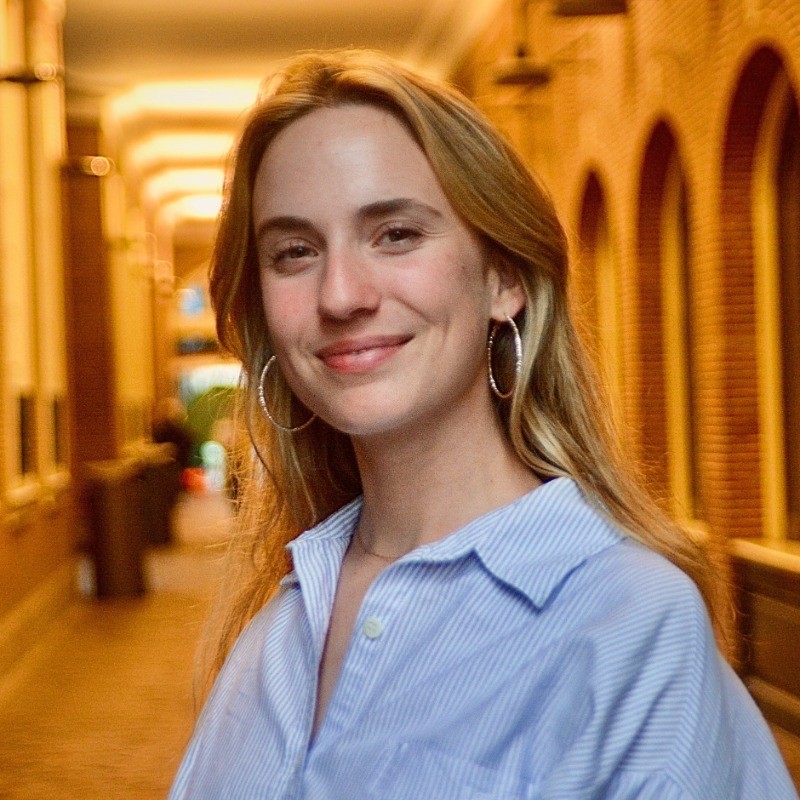
This month, Gabriela started as a PhD candidate at the Institute for Information Law (IViR). She holds bachelor’s degrees in Law and Philosophy from Erasmus University Rotterdam and a master’s degree in Information Law from the University of Amsterdam. After completing her studies, she worked as a junior researcher at IViR, contributing to projects on (decentralised) platform regulation, disinformation, freedom of expression, and the privacy and data protection implications of digital health initiatives for mobile populations.
Nieuws
Politico: EU tech enforcer tells officials not to be scared by US threats

POLITICO Europe reported about the keynote speech by Prabhat Agarwal (DG Connect, European Commission) at the DSA and Platform Regulation Conference on Monday 16 February in Amsterdam (University of Amsterdam).
Podcast: The Digital Services Act is a Lightning Rod for Debate
This week the DSA Observatory hosted the second DSA and Platform Regulation Conference in Amsterdam with many of our IViR staff involved in the organisation or as speakers. Ahead of the conference, the DSA Observatory’s Paddy Leerssen, Magdalena Jóźwiak, and John Albert spoke with Ramsha Jahangir of Tech Policy Press to reflect on what has changed, and how the research landscape has evolved, in the two years since the DSA came fully into effect across the European Union.
New visiting researchers

IViR is pleased to introduce our three new visiting researchers who started at the beginning of this year. IViR is committed to welcome PhD candidates, post-doctoral and senior researchers in the field of information law to exchange ideas and provide an environment where researchers from different places can learn from each other.
Deze jurist bereidt zich voor op rampscenario’s in Nederland
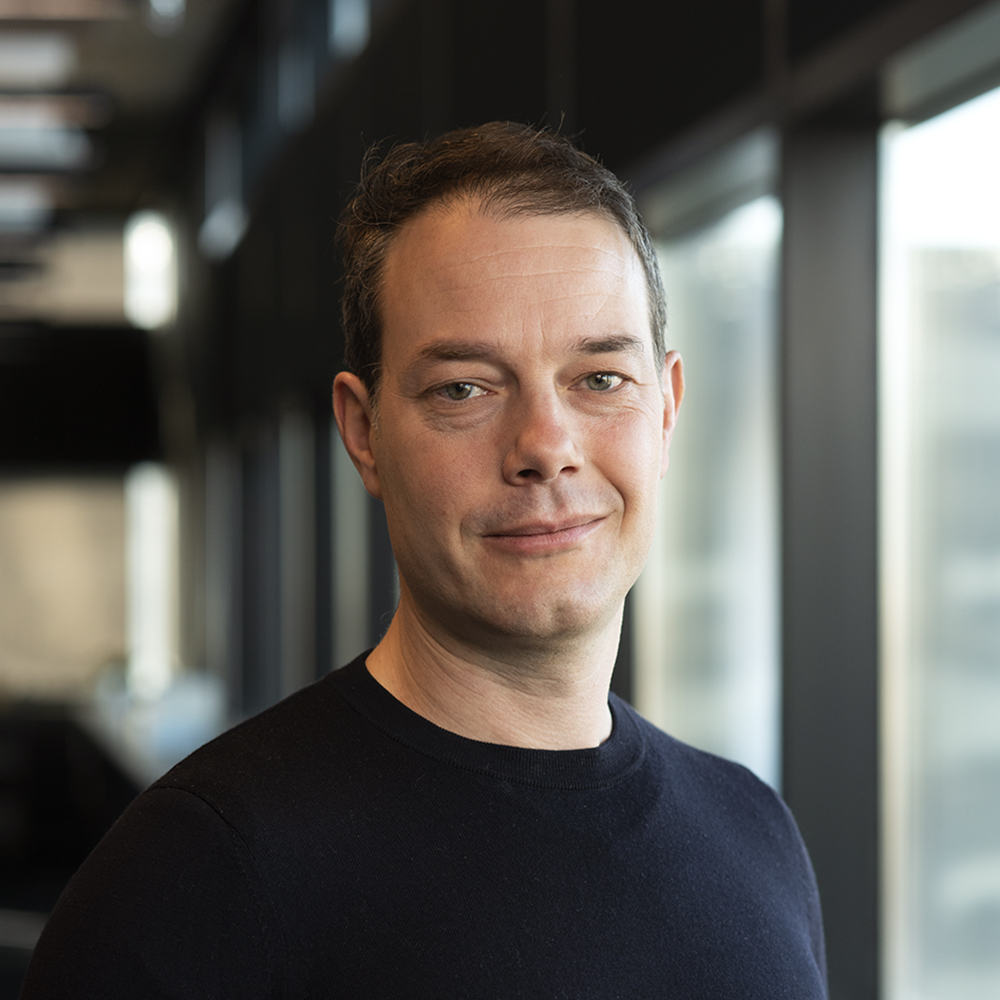
Oorlog, overstromingen en pandemieën: hoe bereiden we ons voor op rampen die steeds dichterbij komen? De persoonlijke zoektocht van universitair docent Ot van Daalen mondde uit in het boek Voorbereid, waarin hij ingaat op de weerbaarheid van onze vrije samenleving. ‘Ik heb net als veel mensen een onrustig gevoel bij wat er gebeurt in de wereld.’
Digital Constitutionalism Roundtable | Who controls the news in the Age of AI?
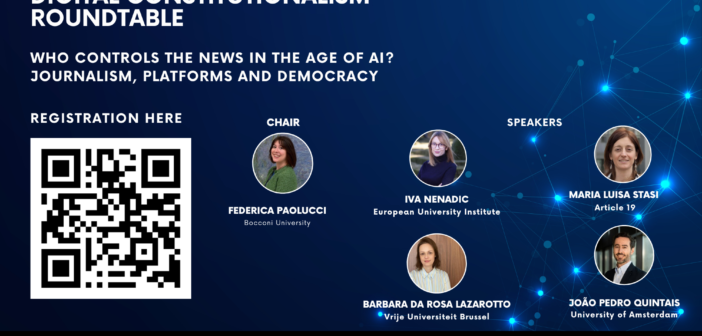
The roundtable “Who controls the news in the age of AI”, hosted by MediaLaws, DICOPO and DigCon, brought into sharp focus a central issue of our time: how the governance of AI-mediated information reshapes democratic structures, media pluralism, and constitutional values.
Natali Helberger Award
The Natali Helberger Award recognizes doctoral students who have conducted research through interdisciplinary collaboration that advances a Public Interest Technology (PIT) perspective in communication studies, journalism studies, and related fields across the social sciences and law. PIT provides a framework for rethinking the institutions, infrastructures, and technology-embedded services that shape society in pursuit of the public good.
Herman Cohen Jehoram 1933-2025

Op 18 december 2025 is op 92-jarige leeftijd overleden Prof. Mr. Herman Cohen Jehoram.
Seed Grant Call: Datafied Warfare and Societal Resilience

Responsible Digital Transformations (RDT) is pleased to announce a new call for Seed Grant proposals, with a thematic focus on Datafied Warfare and Societal Resilience.
Wie mag beslissen wat je online kan posten? : De strijd van de EU om AI-contentmoderatie te reguleren

Mag je een deepfake van een politicus op Instagram plaatsen? Of de muziek van een artiest in je video gebruiken? Soms wel, soms niet. Volgens onderzoeker João Pedro Quintais zijn er met spoed duidelijkere EU-regels nodig voor AI-gestuurde contentmoderatie. ‘Als we geen goede regelgeving hebben, wordt wat we mogen posten overgelaten aan bedrijven die alleen aan winst denken’, waarschuwt hij. Quintais ontving een Vidi-subsidie om te onderzoeken hoe de EU omgaat met de moderatie van problematische content op digitale platforms.