
On 26 March 2026, Kristina Irion and Ronan Fahy presented a study on media regulators to the Council of Europe’s Committee of Experts on Media Regulators in a Platform-Based Environment. The study aims to serve as a foundation for initiating discussions within the Council of Europe’s Committee of Experts on Media Regulators in a Platform-Based Environment (MSI- eREG) on a future Guidance Note on this topic.
News
First shortlisted story of the Science Fiction and Information Law Writing Competition

As part of the fourth IViR Science Fiction and Information Law competition, DigiCon will publish the stories of the finalists every week. The winning stories will be revealed during the CPDP 2026 conference in Brussels on 19-22 May.
Introducing our new visiting researcher: Andrei Pop

IViR is pleased to introduce our new visiting researcher Andrei Pop. Andrei is a PhD candidate in Philosophy of Law at the University of Milan (Statale di Milano), where his research bridges the gap between constitutional tradition and technological disruption.
Vacancy: Universitair Docent Platformregulering
Ben je een early career wetenschapper op het gebied van platformregulering met passie voor onderwijs en onderzoek? Heb je zowel interesse in fundamentele vragen als in het genereren van impact op de rechtspraktijk? Wil je ons komen helpen verder te bouwen aan onze activiteiten op het gebied van platformregulering, en daarvoor je netwerk inzetten in binnen- en buitenland? Dan is deze vacature mogelijk iets voor jou.
Ot van Daalen in Radar over DigiD: Is leven zonder DigiD nog wel mogelijk?

In de aflevering van Radar op maandag 9 maart wordt Ot van Daalen geïnterviewd over de overname van DigiD door een Amerikaans bedrijf.
Blogpost by Kristina Irion: AI Firms Can Limit Military Surveillance of Americans. What About of Everyone Else?

In recent days, a public dispute has laid bare tensions between AI companies and the US military over who decides how the AI is used. The US Department of Defense cancelled Anthropic’s AI agent Claude and instead struck a deal with OpenAI. Where constitutional protection is limited to domestic surveillance, the rest of the world becomes a legitimate target of AI-enabled mass surveillance. AI-enabled surveillance is no longer science fiction. The framing around limiting the US military’s use of generative AI for domestic surveillance should unsettle the rest of the world, argues Kristina Irion in her blog post for Tech Policy Press.
“Meta’s verbod op politieke reclame werkt niet, partijen adverteren gewoon door”

Max van Drunen wordt geciteerd door Nieuwsuur in een artikel waarin hij reageert op onderzoek van de UvA over politieke advertenties op Facebook en Instagram.
Comments by João Pedro Quintais in “Why dolphins are turning heads in Europe’s AI copyright debate”

Europe’s courts are busy with rightsholders’ challenges to AI giants – but there’s little prospect of clarity on IP use soon. João Pedro Quintais was interviewed for this Euractiv piece.
Introducing…Vilma Margarit Nikolaeva
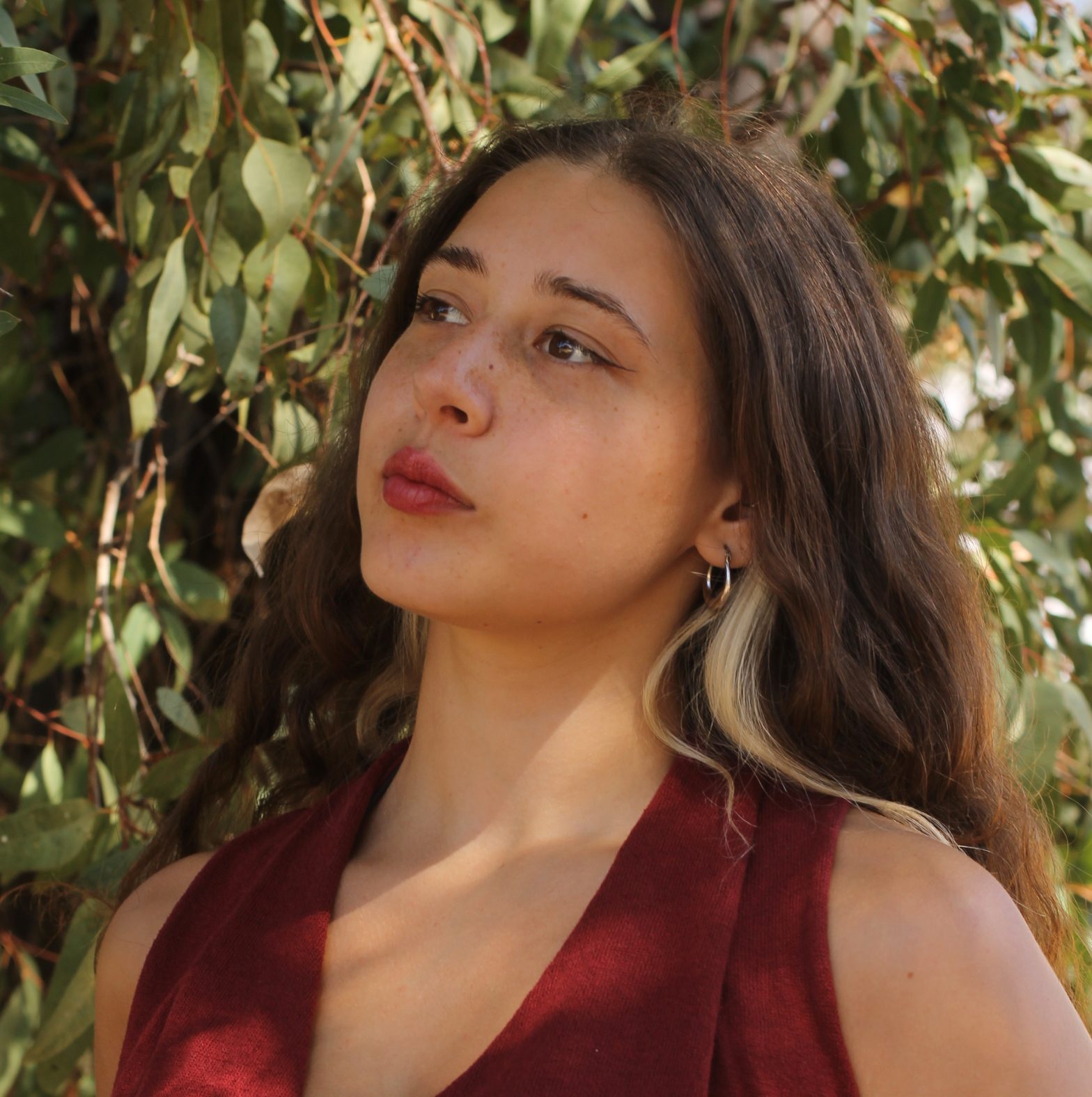
Vilma started her PhD at the Institute for Information Law (IViR) in January 2026. Her research focuses on the tension between algorithmic transparency, access to information for public interest research and blanket trade secrecy claims of private technology companies.
Els De Busser presenting at the European Parliament (LIBE Committee)
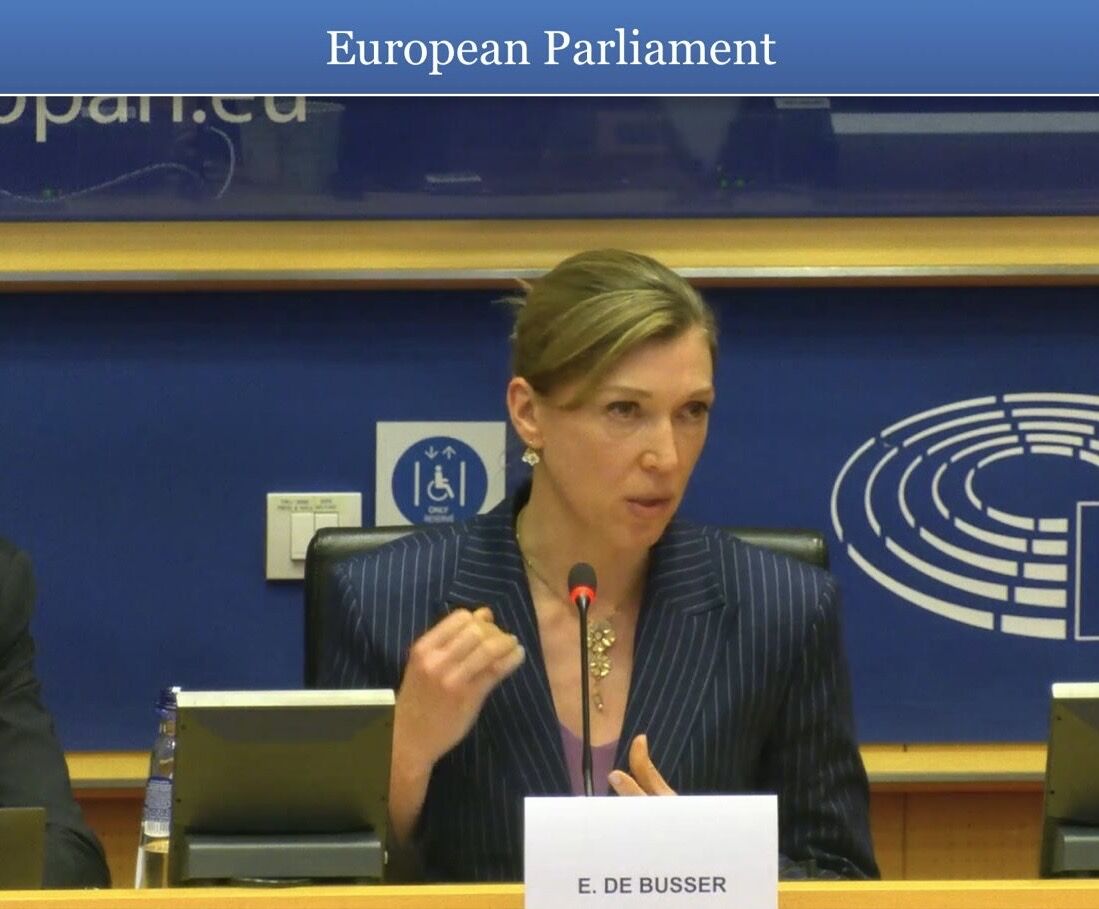
On 24 February, Els De Busser (Associate Professor at IVIR and Programme Director of the Master Information Law) gave a presentation in front of the European Parliament’s Committee on Civil Liberties, Justice and Home Affairs (LIBE Committee).