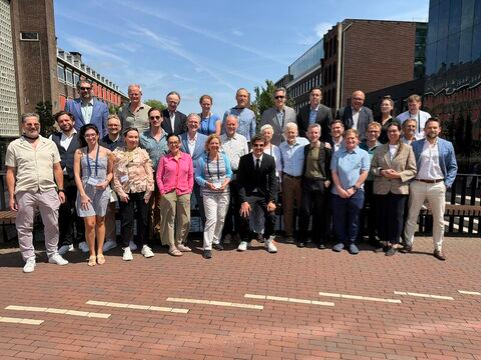
On 6 and 7 July, IViR hosted the 23rd Annual Conference of the Society for Economic Research on Copyright Issues (SERCI). Academics, practitioners, government representatives and others from all across the world, united by their interest in the various economic aspects of copyright, gathered at the Institute for Information Law for two content-packed days with a keynote address by Imke Reimers (Cornell University), more than twenty other high-quality paper presentations and numerous inspiring conversations.
Posts in Category: News
Successful Summer Courses on International Copyright and Policy and European Platform Regulation

In the first week of July, PhD candidates, practicing lawyers and civil society participants set course for Amsterdam to attend IViR’s annual Summer Courses on International Copyright and Policy and European Platform Regulation.
New book: The Cambridge Handbook of Media Law and Policy in Europe
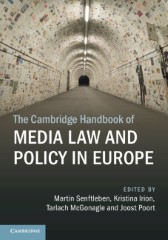
This handbook analyses pressing legal and policy issues that have arisen in the rapidly changing media ecosystem: from threats to media freedom and pluralism and the safety of journalists to challenges arising from the shift to platform-based communication, the spread of disinformation and the impact of AI on media and news production.
Paddy Leerssen appointed as Assistant Professor in Platform Regulation

IViR is pleased to announce that Paddy Leerssen will become an Assistant Professor in Platform Regulation from September 1st.
Could AI break our news bubbles?

The dangers of AI are often highlighted. But how can we make technology work for us when we follow the news?
In her PhD thesis, Sanne Vrijenhoek examined how technology can strengthen the position of newsrooms. ‘Personalised news recommendations could also help people break out of their bubble.’
New report: A Minimum Age for Social Media: A Legal Exploration
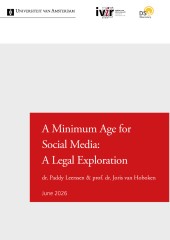
On 18 June 2026 a legal exploration about de possibility of setting a minimum age for social media in the Netherlands was published. This report was written by dr. Paddy Leerssen and prof. dr. Joris van Hoboken.
DigiBook on Deepfake Regulation – Call for Expressions of Interest
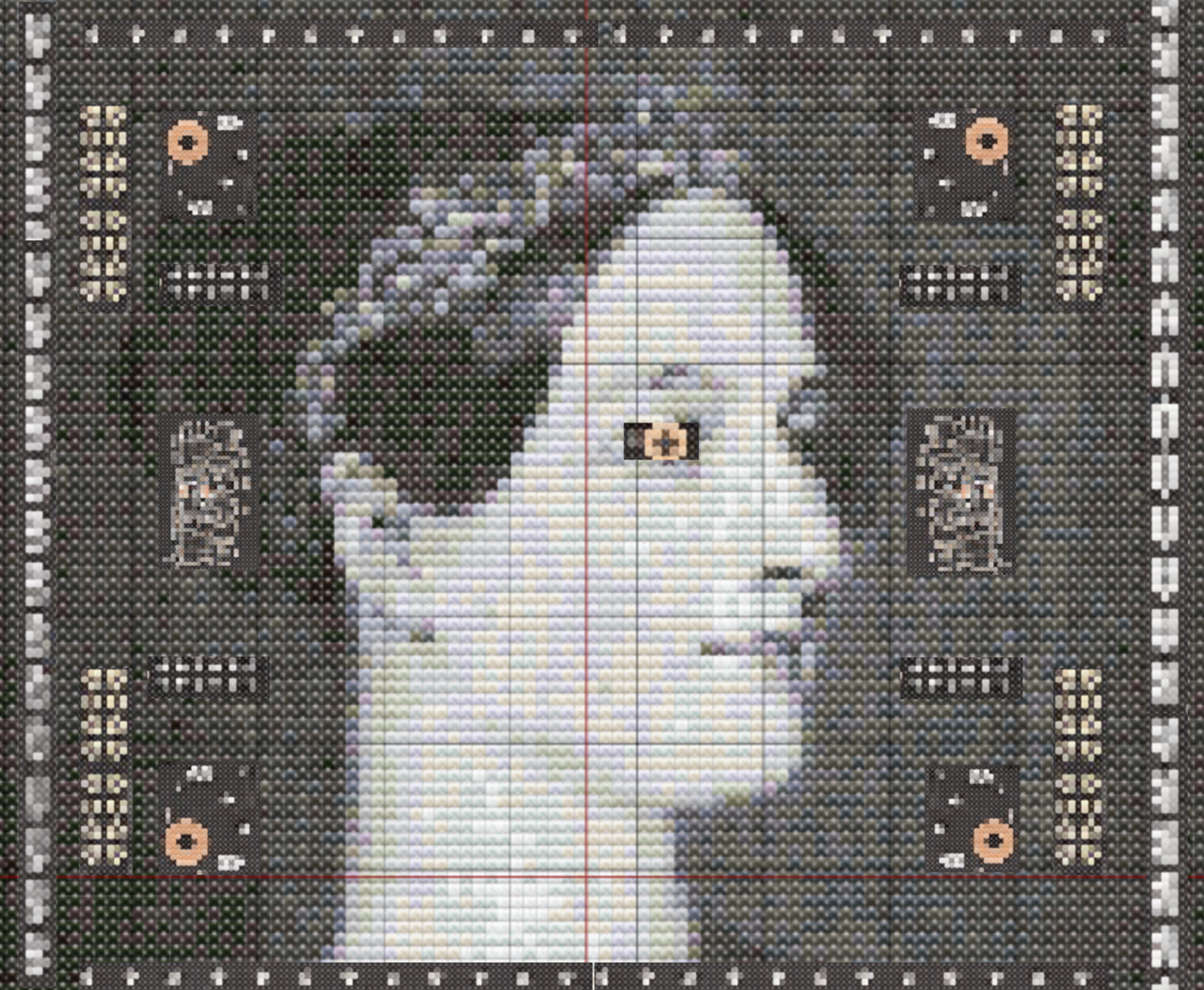
In collaboration with researchers from IViR, DigiCon will launch a new multidisciplinary DigiBook on the regulation of deepfakes, with a particular focus on the EU.
Informatierecht studente genomineerd voor UvA-scriptieprijs 2026
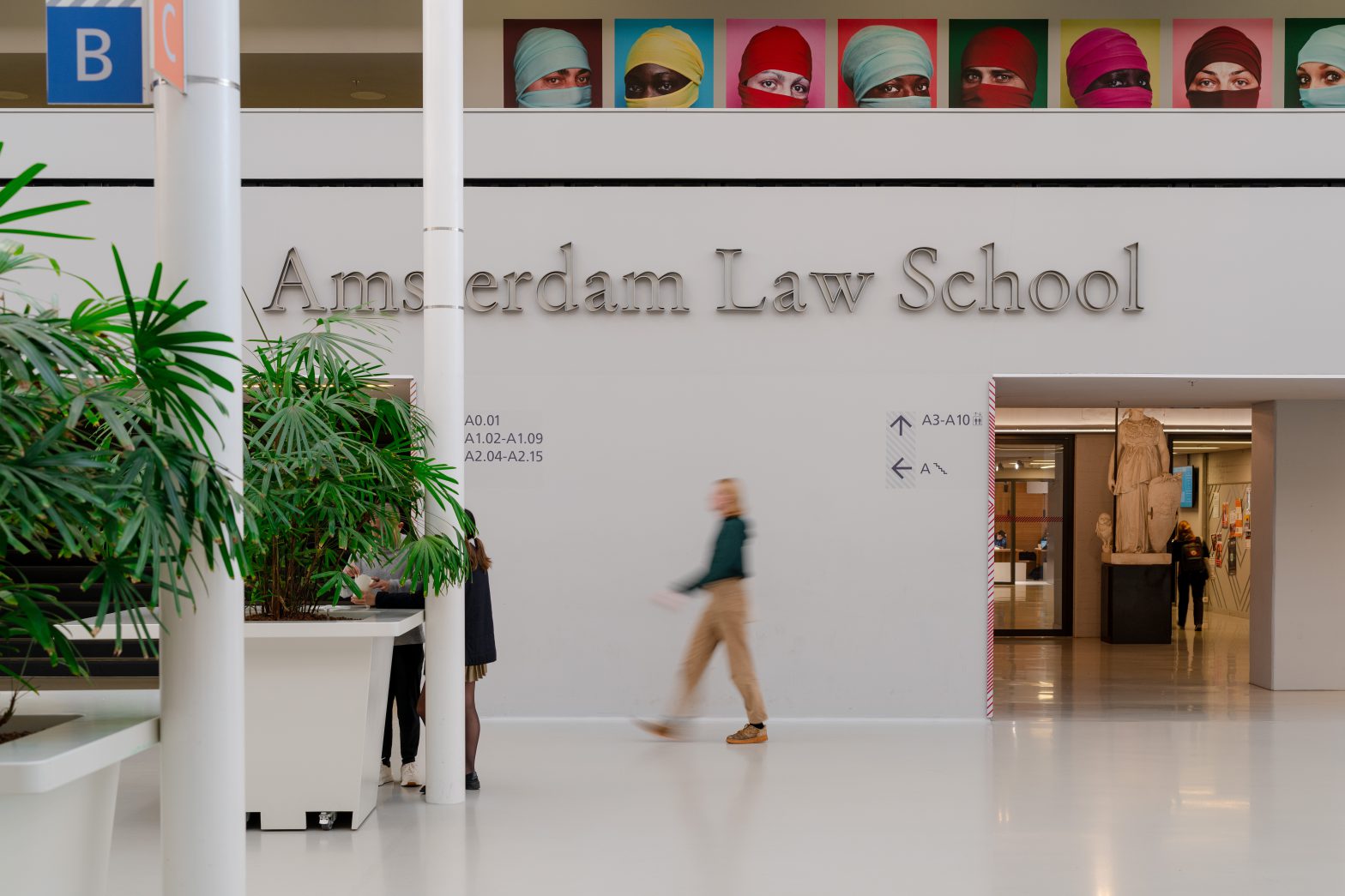
Op 26 mei 2026 zijn de winnaars van de UvA-scriptieprijs 2026 bekend gemaakt. De jury, die bestond uit decanen van alle faculteiten, heeft besloten welke talentvolle studenten dit jaar de beste scriptie van hun faculteit hebben geschreven. Uit deze scripties wordt op donderdag 29 oktober 2026 tijdens de UvA Onderwijsdag de hoofdprijswinnaar bekend gemaakt.
Winner Announcement for the IViR “Science Fiction & Information Law” Writing Competition
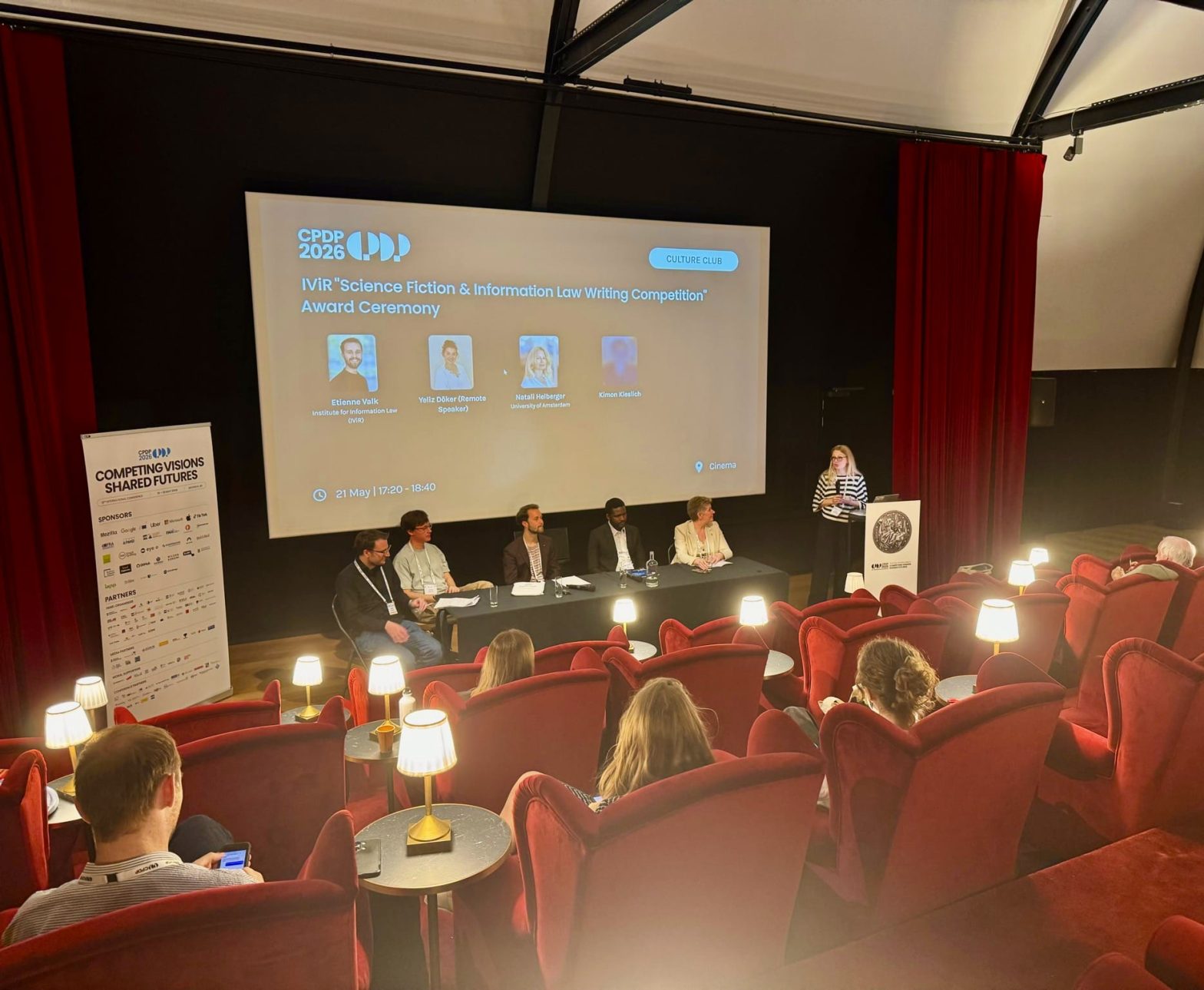
The Award Ceremony for the 4th edition of the IViR “Science Fiction & Information Law” Writing Competition was held on Thursday, 21 May, at CPDP in Brussels. A wonderful occasion to explore this edition’s theme, “The Technologised Future of Truth”, and honour the most valuable contributions.
Special issue Journal of Intellectual Property Law & Practice about music metadata
In the next upcoming special issue of the Journal of Intellectual Property Law & Practice six articles about music metadata written by IViR researchers will be published. These articles analyse music metadata issues through various, primarily legal lenses.