On 24 February, Els De Busser (Associate Professor at IVIR and Programme Director of the Master Information Law) gave a presentation in front of the European Parliament’s Committee on Civil Liberties, Justice and Home Affairs (LIBE Committee).
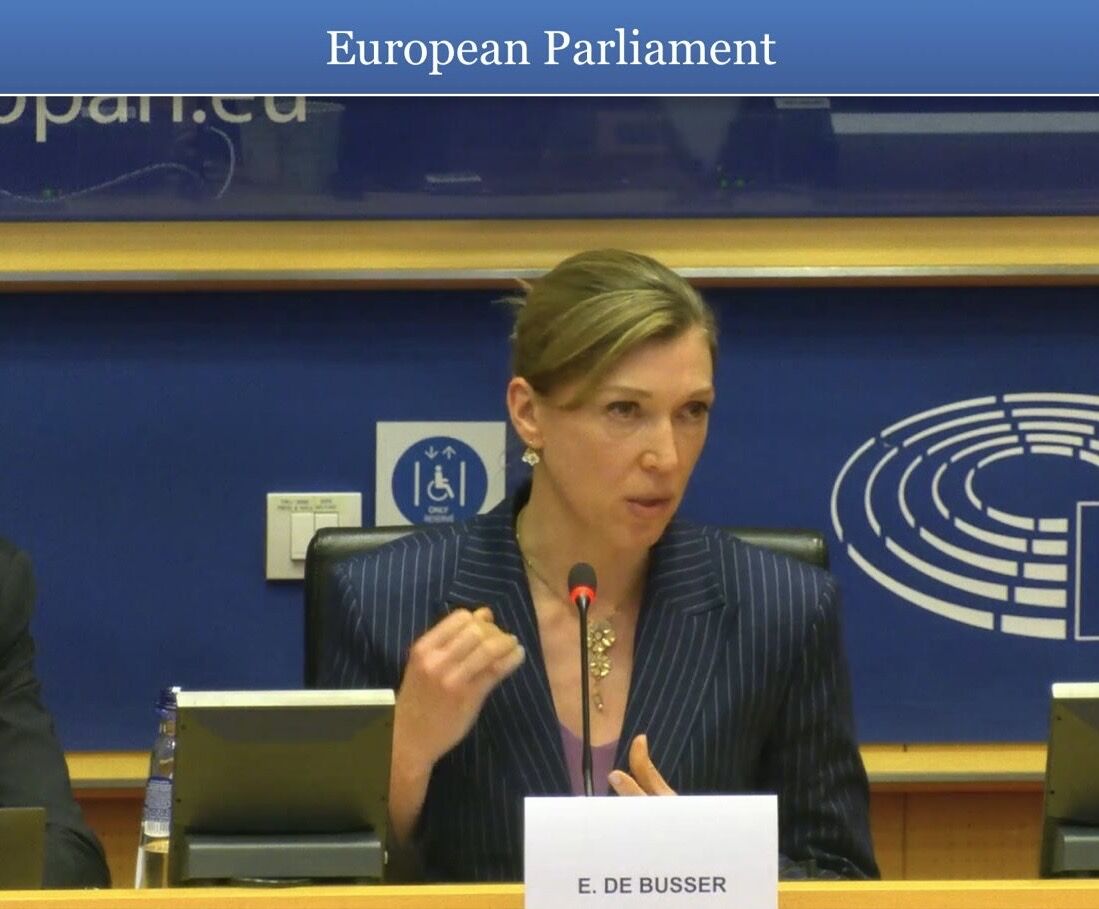
The public hearing was organized to discuss access to data by law enforcement after the European Commission published a roadmap on the topic. Els De Busser represented the Meijers Committee who wrote an elaborate comment on the European Commission’s plan, zooming in on the fundamental rights and freedoms that are at stake when offering law enforcement access to data from citizens.
The discussion around this question is not new. What is sought is a delicate balance between police authorities attempting to prevent or investigate serious crime by intercepting communication between perpetrators on the one hand and the rights of all citizens to keep their communications private and protect their personal data on the other hand. Els De Busser therefore intervened during this public hearing and took questions from the members of the European Parliament.
She explained how the right to privacy and the right to data protection are at stake when the retention of data is insufficiently targeted and only has a minimum but not a maximum retention period. She also stressed that the newly introduced concept of “lawful access by design” is in fact a euphemism for indiscriminate access to data and thus, surveillance. By gathering large amounts of data, the freedom of expression and the freedom of assembly and association are under pressure due to a chilling effect on citizens who no longer feel free to communicate what and with whom they choose. Lastly, she warned for the use of AI and machine learning algorithms for processing large amounts of data since the risk of bias and the margin of error of such systems can lead to discriminatory results. In addition, the black box effect of machine learning algorithms cannot be reconciled with the need to explain how evidence is gathered and the chain of custody in criminal procedures.
Relevant links: