Quantum technologies are emerging as a strategic frontier in global governance. This project examines how different jurisdictions – from the EU’s values-based approach to the more security- or market-driven models of the US and China are shaping rules, infrastructures, and institutions for a quantum future.
The project concentrates on three highly related questions: (1) How is interoperability framed- as a technical standard, legal duty, or tool of digital sovereignty? (2) What tensions arise between national initiatives and supranational frameworks in areas like standardization and data sharing within the European Union? (3) How are experimental governance tools – such as policy sandboxes and testbeds – being integrated into current policies and strategies to manage the uncertainties of quantum innovation?
By combining qualitative policy comparison with advanced NLP methods, the project maps competing visions of quantum governance and explores their implications for institutional coherence and European coordination while accounting for the specifics of quantum technologies.
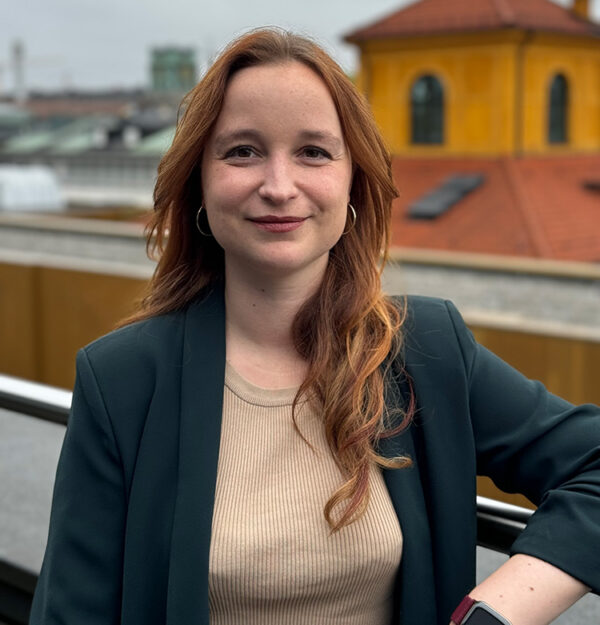
Fabienne Marco is a doctoral researcher at the Technical University of Munich, working at the intersection of quantum natural language processing, cybernetics, and technology policy. Her research focuses on analyzing quantum policies and their surrounding ecosystems to understand how governance frameworks evolve in response to emerging technologies. She is the Head and Co-Founder of the Quantum Social Lab at the TUM Think Tank and currently leads QuantWorld, a BMFTR-funded project exploring the societal and educational implications of quantum technologies. Beyond academia, she has advised the Hightech Agenda Bavaria and was recognized in 2024 as one of Capital magazine’s Top 40 under 40.