Balázs Bodó
University of Amsterdam, IViR
Professor of Information Law and Policy, specialising in technology governance, digital infrastructures and trust.

The symposium asks two connected questions: What infrastructure, funding arrangements and shared knowledge resources does a public-service media ecosystem need to sustain public trust in the age of platforms and AI? What safeguards can protect it from political and technological dependency?
This English-language international policy workshop and symposium is not a conventional conference of successive academic papers. On Thursday, invited researchers, media professionals and policy practitioners will compare experience from several European countries in structured discussions across three themes. Friday’s public half-day will bring those issues to a wider audience through a keynote by Manuel Puppis, a roundtable and a summary of the workshop’s findings.
The discussion looks beyond any single institution to the infrastructure, financing and shared knowledge resources of the wider media ecosystem. Budapest offers a particularly relevant setting: shifts driven by platforms and AI coincide with the possibility of rebuilding a highly concentrated media system shaped by political capture. At the end of the workshop, participants will also consider whether to develop a longer-term European collaboration.
Shared distribution, data, AI, editorial and archival services — and how they can strengthen local and independent media rather than replace existing capacity.
Sustainable support for public-interest content and shared infrastructure, with safeguards for independence, fair allocation and pluralism.
Reliable information, cultural memory and common reference points across audiences, archives and platforms.
Additional European and Hungarian specialists are being invited. The final speaker line-up and individual session roles will be published when confirmed.
University of Amsterdam, IViR
Professor of Information Law and Policy, specialising in technology governance, digital infrastructures and trust.
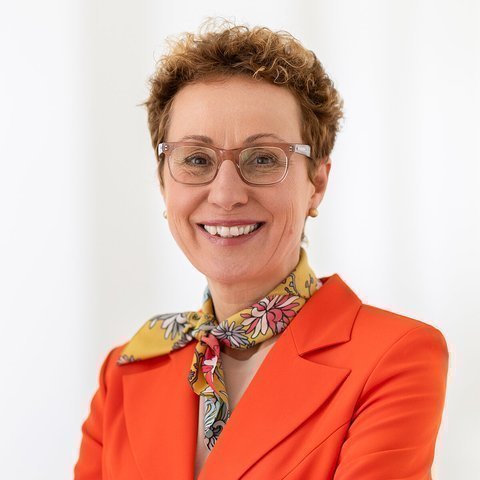
Austrian Academy of Sciences, CMC
Senior scientist working on media and platform governance, AI policy and the public interest.
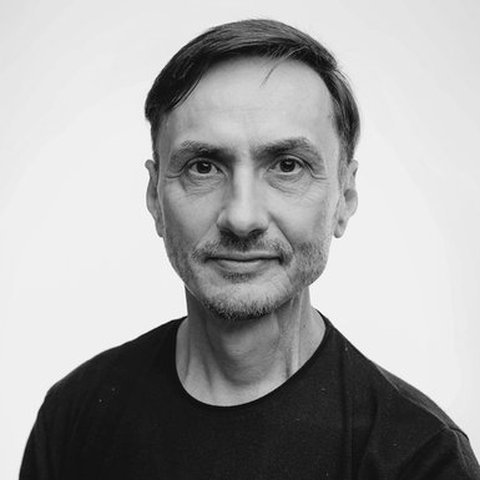
Committee to Protect Journalists
Journalist and CPJ’s Europe representative, with long experience in investigative reporting and press freedom.
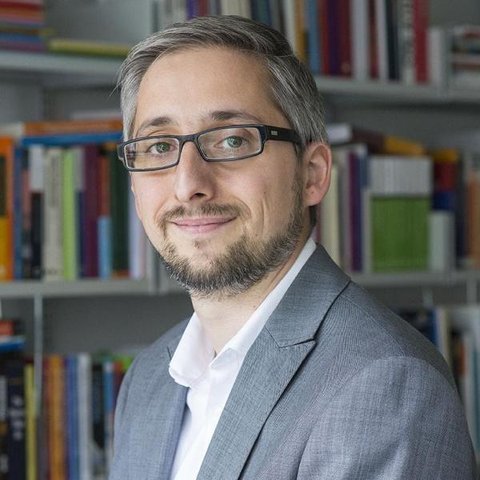
University of Fribourg
Professor of Media Structures and Governance; researches media policy, comparative media systems and the public-service remit.
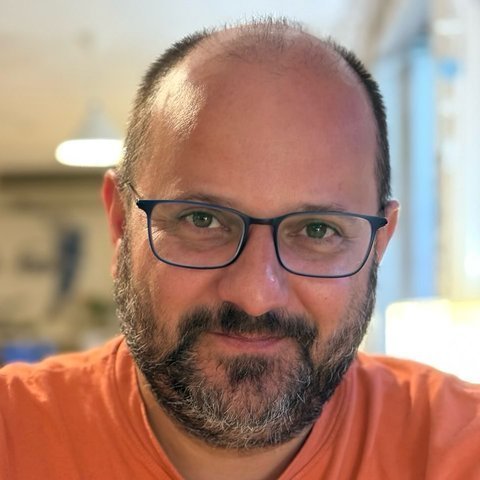
Media and Journalism Research Center
Founding director whose comparative research examines media ownership, public funding and political capture.
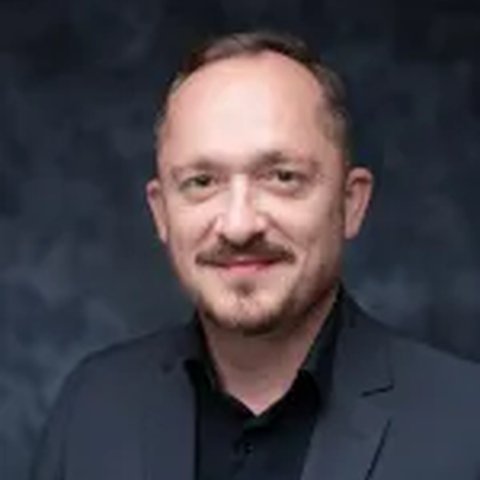
University of Warsaw
Professor and vice-dean researching public-service media, media management and institutional change.
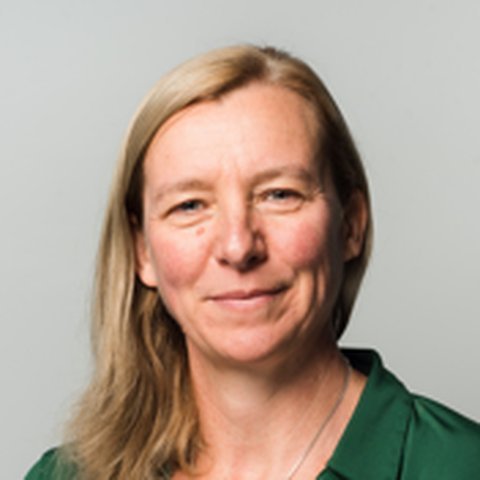
Canterbury Christ Church University
Professor of media and communication whose work centres on local journalism and community media.
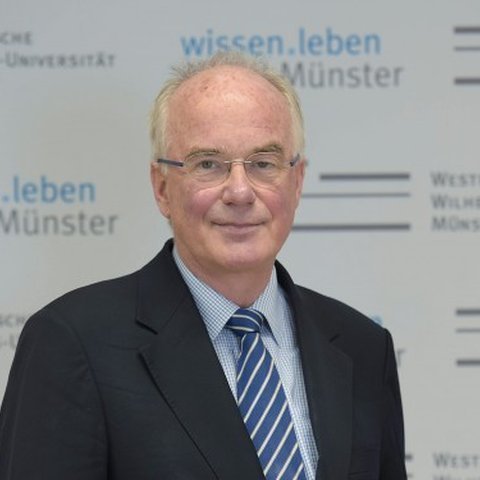
University of Münster
Emeritus professor of media and telecommunications law, with a particular focus on platform regulation.
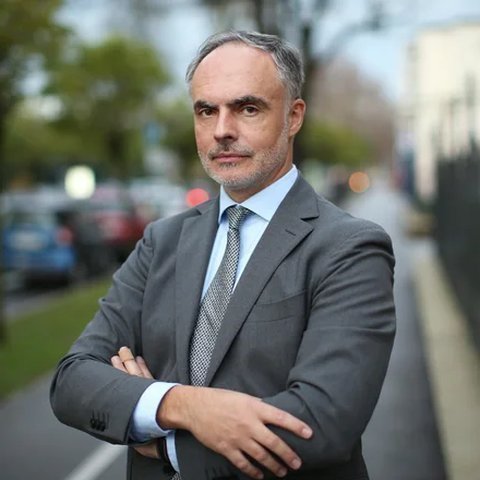
Global Media Registry
Founder and managing director; works on media ownership transparency, pluralism and journalism standards.
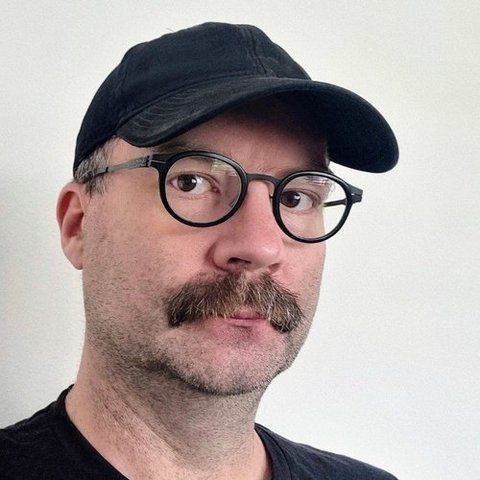
AlvraLabs
Computer scientist working across digital systems, AI and media technology.
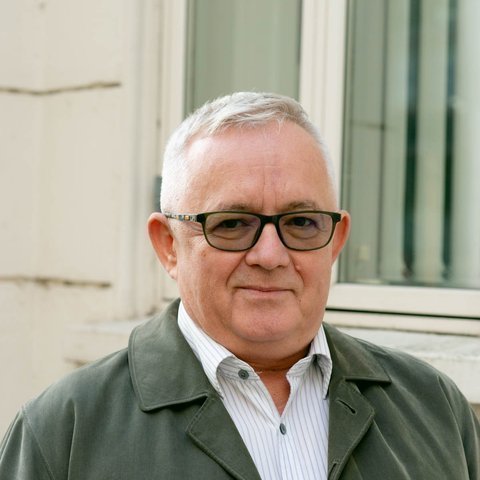
ELTE Department of Media and Communication
Media scholar whose research includes media and politics, disinformation and the social history of everyday life.
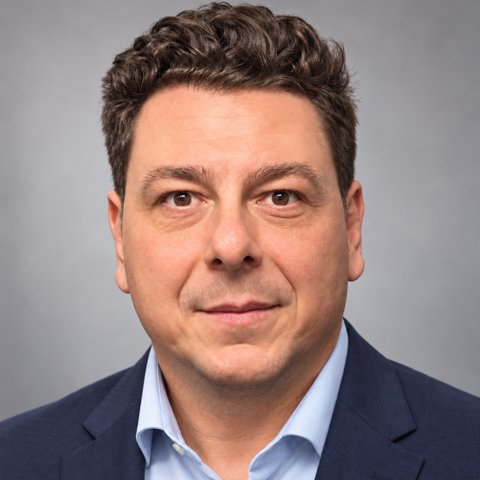
Tilos Rádió
Media sociologist, collective rights management expert and community radio organiser.
The symposium is being prepared by the Institute for Information Law (IViR) at the University of Amsterdam and ELTE’s Department of Media and Communication.
Balázs Bodó and Krisztina Rozgonyi are responsible for Infrastructure; Attila Mong and Angéla Szabó for Funding and governance; and Dávid Kitzinger and Ferenc Hammer for Shared knowledge and memory.
Colleagues from the Austrian Academy of Sciences’ Institute for Comparative Media and Communication Studies (CMC) and the Committee to Protect Journalists (CPJ) are also involved in the preparations.
Hungarian media professionals, as well as representatives involved in media policy, its implementation and regulation, are also being invited.
The event is supported by the Goethe-Institut. Lead organiser: Angéla Szabó, with Mariann Bencze supporting the organisation.